
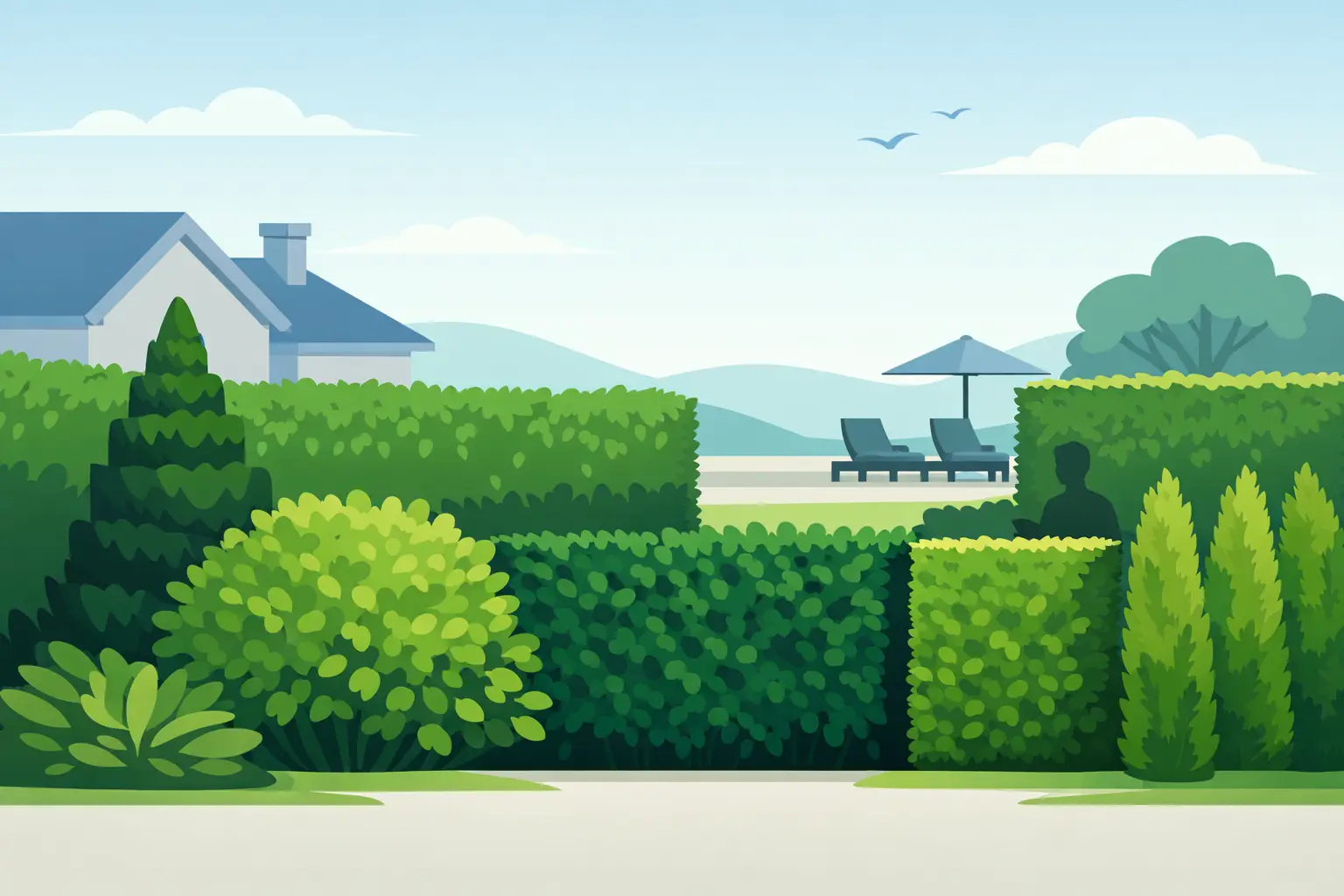
A hedge that looks good in July but turns thin, patchy or unmanageable by winter soon becomes a problem. If you are choosing the best hedge plants for privacy, the right decision depends on more than just height. Growth rate, maintenance, soil conditions and the space available all matter if you want a boundary that stays dense, healthy and easy to manage.
For homes, rental properties and commercial sites across Norfolk and Suffolk, privacy hedging often needs to do several jobs at once. It may need to screen a road, soften a fence line, reduce overlooking and still be practical to trim safely each year. That is why it helps to choose with the long term in mind rather than going for the fastest grower on offer.
What makes the best hedge plants for privacy?
A good privacy hedge needs reliable density from ground level upwards. Some shrubs grow quickly but stay open at the base, which defeats the purpose if your main concern is screening gardens, drives or patios. Others are slow but form a much more solid barrier over time.
Evergreen varieties are usually the first choice because they hold coverage throughout the year. That said, a deciduous hedge can still work well if it keeps enough twiggy structure through winter or if privacy matters most during spring and summer. The best option often comes down to how exposed the site is, how formal you want the finish to look and how much ongoing cutting you are prepared to keep up with.
10 best hedge plants for privacy
Laurel
Cherry laurel is one of the most popular privacy hedges in the UK for good reason. It grows strongly, has broad glossy leaves and creates a thick screen quite quickly. It suits larger gardens and boundaries where you need solid year-round cover without waiting too long.
The trade-off is size and maintenance. Laurel can become too large if it is left unchecked, and regular trimming is needed to keep it tidy and prevent it encroaching on paths or neighbouring space. It is a practical choice, but it needs room and proper management.
Portuguese laurel
If you like the reliability of laurel but want something neater, Portuguese laurel is often the better fit. It has smaller, darker leaves and a more refined appearance, making it well suited to front boundaries and formal settings.
It still gives strong privacy screening, but usually with a smarter finish than cherry laurel. Growth is slightly slower, which can be a benefit if you want a hedge that is easier to keep under control.
Yew
Yew is one of the best hedge plants for privacy if you want a long-lasting, premium-looking hedge. It is dense, evergreen and responds very well to trimming, which makes it ideal for clean lines and formal boundaries.
The main drawback is patience. Yew is slower to establish than laurel or leylandii, so it is not the quickest route to privacy. However, if you are planning for the long term and want a hedge that can be maintained to a very high standard, it is hard to beat.
Leylandii
Leylandii is the hedge people ask about most when they want fast privacy. It grows quickly and can form an effective screen in a relatively short time, which makes it attractive for exposed gardens or overlooked boundaries.
The issue is not that leylandii is bad. It is that it needs consistent cutting. If it is neglected, it can become too tall and too wide very quickly, making it expensive and difficult to bring back under control. For owners willing to maintain it properly, it remains a useful option.
Western red cedar
Western red cedar offers a softer, more natural look than leylandii, while still providing evergreen cover and good height. It is often chosen where privacy is important but a harsh, heavily clipped appearance is not.
It tends to establish well in the right conditions and can make an excellent boundary hedge. It does, however, need enough space and sensible trimming to keep it full and attractive.
Hornbeam
Hornbeam is a strong choice for those who prefer a more traditional hedge. Although deciduous, it often holds on to its dry brown leaves well into winter, so it can still offer a fair amount of privacy when many other plants are bare.
It copes well with a range of soils and works nicely in both rural and suburban settings. If you do not mind that it is not fully green all year round, hornbeam is a reliable and practical hedge.
Beech
Beech is similar to hornbeam in the way it carries coppery leaves through the colder months, which helps maintain screening beyond autumn. It has a classic look and suits more formal gardens particularly well.
Compared with some evergreens, beech is less about instant cover and more about structure and appearance. It is a good option where privacy matters, but so does the overall finish of the boundary.
Holly
Holly is a very effective evergreen hedge thanks to its dense habit and year-round leaf cover. It also offers good security because of its spiny foliage, which can deter unwanted access along a boundary.
It is not the fastest grower, but once established it is tough and dependable. For households that want privacy and a more defensive hedge line, holly is worth serious consideration.
Griselinia
Griselinia is increasingly popular in milder parts of the UK because of its bright evergreen foliage and relatively quick growth. It has a fresh, clean look that suits modern gardens well.
In more exposed inland spots, winter damage can be a concern, so site conditions matter. In the right setting, though, it gives attractive screening without the heavier appearance of laurel.
Escallonia
Escallonia is useful where you want privacy with a softer ornamental finish. It is evergreen, reasonably dense and produces attractive flowers, which makes it more decorative than some purely functional hedging plants.
It is often a good fit for coastal or milder areas, though it may need a bit more thought in harsher locations. For smaller properties where appearance matters as much as screening, it can work very well.
Choosing the right hedge for your site
The best hedge is not always the fastest one. A narrow side boundary may suit Portuguese laurel or yew better than something vigorous and bulky. A large rural edge may have room for laurel, cedar or even leylandii, provided trimming is kept on schedule.
Soil and exposure also play a part. Wind, salt air, heavy clay and poor drainage can all affect how well a hedge establishes. What thrives in one garden in Norfolk may struggle on a more exposed site a few miles away. This is where practical advice matters, especially if the hedge is going near buildings, fences, drives or public-facing areas.
Privacy now versus maintenance later
It is understandable to want quick screening, especially if neighbouring windows overlook your garden or a site needs immediate separation from a road. Fast-growing species can solve that problem, but they almost always demand more regular cutting.
Slower-growing hedges are often easier to manage and can hold a sharper shape over time. That means lower maintenance pressure, fewer drastic reductions and a better appearance year after year. In practice, the right balance depends on whether your priority is immediate cover, long-term control or both.
Planting and aftercare make a real difference
Even the best hedge plants for privacy will struggle if they are planted badly or left to compete with weeds and dry soil. Good ground preparation, correct spacing and watering during establishment are what turn a row of young plants into a proper screen.
Early trimming is just as important. Many people are nervous about cutting a new hedge, but formative pruning helps encourage denser growth from the base. Left alone, some species can become leggy or top-heavy, which is much harder to correct later.
For established hedges, routine maintenance keeps them safe, tidy and effective. A hedge that blocks light, overhangs a pavement or interferes with access soon becomes more than a visual issue. It becomes a practical one.
When professional hedge work is worth it
Large hedges can be difficult to manage safely, especially near roads, outbuildings, greenhouses or overhead lines. Height, access and waste removal all need planning. Cutting back too hard at the wrong time can also leave bare patches or stress the plants unnecessarily.
That is why many property owners prefer to have mature hedges assessed and maintained properly. For clients across Norfolk and Suffolk, T.G. Bird Tree Services often sees the same issue – a hedge chosen for privacy years ago has now become too tall, too wide or uneven because it was not kept on top of. Timely maintenance usually costs less than major corrective work later.
A privacy hedge should give you peace of mind, not another overgrown problem to deal with. If you choose a species that suits the space, keep it maintained and think ahead about its mature size, you will get far better results from the boundary for years to come.